-
 An atmospheric river swept across the Pacific Northwest last December, dropping more than a foot of rain – and tens of millions of dollars in damages – in portions of the Cabinet Mountains. Work repairing and stabilizing a stretch of northwest Montana’s flood-damaged Libby Creek is now complete.
 -
 Work on a southwest Montana tungsten mine is temporarily on hold following a judge’s order. Judge Luke Berger in Beaverhead County District Court in June suspended all authorized mining activities on the Calvert Tungsten Mine in the Big Hole River watershed.
 -
 Mining company executives interested in gold near Lincoln met with locals this week to discuss their exploration plans. Australian mining company, Sentinel Metals, has applied for a permit to drill 21 holes on private land just east of Lincoln, the first step in determining if there is enough gold to build a mine.
 -
 A Montana district court ruled in favor of an environmental group that challenged the state's approval of new septic systems in the Gallatin Valley. The group argued that the state failed to assess cumulative impacts from the septic systems and how they may harm the river.
 -
 A third of Montana waterways are impaired by nutrient pollution. Environmental groups are petitioning the state to stop issuing permits they say make the problem worse.
 -
 The town of Belt has worked with the state for decades to tackle issues left by the Anaconda Coal Mine. A new multimillion-dollar water treatment facility will finally fix that. The plant will clean the acid drainage before discharging it back into the creek.
 -
 BLM continues oil and gas approvals despite federal shutdown; Environmental groups are petitioning the state to stop issuing pollution discharge permits until new standards can be set; The Montana State Prison has the green light to resume water use in all areas of the facility after a water line broke in October.
 -
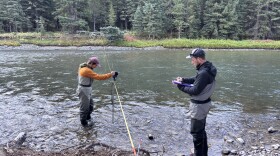 In 2023, the DEQ listed sections of the Gallatin River as impaired due to recurring algal blooms. The blooms choke out fish and degrade water quality. State scientists are amid a six-year study trying to understand what's causing the harmful blooms. The state says it will use the results to inform local development regulations and a plan to protect the river.
 -
 The Trump administration wants to repeal greenhouse gas regulations that limit emissions for cars and a variety of other sources. State law prevents Montana from having air pollution standards stricter than the federal government.
 -
 The Montana Supreme Court last year ordered state environmental regulators to redo their assessment of a power plant near Laurel. The new report is out, but environmental advocates aren’t happy.

© 2026 MTPR
Play Live Radio
Next Up:
0:00
0:00
Available On Air Stations


