

-
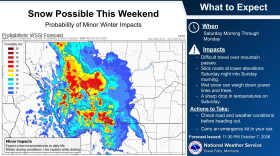 Western Montana’s temperatures have been unseasonably warm over the past couple of weeks, hovering up to 20 degrees above normal, but a major change is right around the corner.
 -
 An atmospheric river swept across the Pacific Northwest last December, dropping more than a foot of rain – and tens of millions of dollars in damages – in portions of the Cabinet Mountains. Work repairing and stabilizing a stretch of northwest Montana’s flood-damaged Libby Creek is now complete.
 -
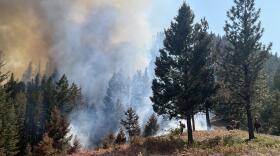 Montana fire officials are bracing for another round of critical fire weather this weekend. Any fires that develop over the next several days will spread rapidly and be very difficult to control.
 -
 Back in early spring Montana’s summer drought conditions were expected to be a lot worse than they currently are. June storms brought some relief, but the long-term outlook is less encouraging.
 -
 Gusty wind, low humidity, temperatures pushing 100 degrees and dry fuels will create critical fire weather conditions in northwest and west-central Montana Saturday.
 -
 As much of the nation broils under a scorching heat wave, Montana is emerging from days of heavy precipitation and unseasonably cool temperatures. Experts say that could lower the fire potential in the state this summer.
 -
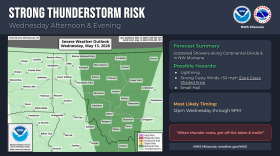 Tuesday’s near record mid-May heat will soon give way to what weather experts are describing as a wintery end-of-the-week ‘shock to the system.' A potent cold front is expected to sweep into western Montana this week, bringing gusty winds and potentially powerful thunderstorms.
 -
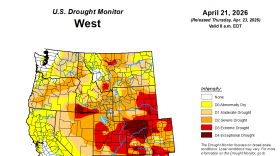 Snowpack in the West typically reaches its peak in early April but that hasn’t happened this year. Drought persists, setting up conditions for wildfires and low water supply. This warm, snowless winter points to a warming climate and trouble for Montana farmers.
 -
 This past winter was defined by historic warmth in the Rockies. Long-term spring forecasts look similar – warmer and drier than normal.
 -
 An elementary school near Great Falls lost a portion of its roof Sunday after severe wind battered the region.

© 2026 MTPR
Play Live Radio
Next Up:
0:00
0:00
Available On Air Stations


