
The U.S. and Canada have struck a deal over pollution flowing from British Columbia coal mines into a lake and river system in Montana.
Tribes in the U.S. and Canada have raised concerns for years about selenium levels harming fish reproduction in Lake Koocanusa and the Kootenai River. That selenium is flowing from coal mines along the Elk River in British Columbia.
Confederated Salish and Kootenai Tribes chairman Tom McDonald said the pollution puts cutthroat trout and threatened species like bull trout at risk.
“We have to be able to have a clean and healthy environment where we can catch fish and eat fish out of any river system that’s in our aboriginal territory that we’ve relied on for the past 10,000 to 30,000 years,” McDonald said.
The U.S. and Canada agreed to let the International Joint Commission (IJC) set up a governing body for the transboundary watershed. That body will make recommendations for provincial, state and federal governments. While not legally binding, the IJC recommendations are usually implemented.
Teck Resources, which owns the mines, said it wants to learn more about the IJC process, but noted it’s willing to work with all parties. B.C. provincial officials released a statement saying they support IJC involvement.
-
 Pollution from mining activity in British Columbia is ending up downstream in Montana and Idaho, threatening the health of these shared waterways. A new film by the Idaho Conservation League highlights Indigenous communities impacted by it and solutions in the works. MTPR’s Caroline Weiss caught up with the director, Jennifer Ekstrom.
-
 State utility regulators have rejected part of a petition to consider climate change in their decision-making; State regulators deny petition to for higher selenium standard in Lake Koocanusa; A Missoula homeless shelter closed last week as pandemic funding ends.
-
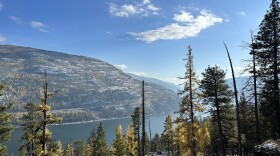 Lincoln County officials are asking state regulators to adopt a less restrictive pollution rule for selenium in Lake Koocanusa. The current standard has been controversial on both sides of the Canada-U.S. border, but multiple attempts to roll it back have failed.
-
 The Montana Department of Justice is blocking access to what it calls privileged documents showing its communication with a Canadian mining company. An environmental group is now suing to access the information.
-
 A new report says a Canadian company that runs coal mines north of Montana hasn’t set enough money aside for cleanup. Those mines are sending pollution into Montana waters.
-
After years of tribes calling on the U.S. and Canada to do something about selenium pollution flowing into Montana, the two governments have struck a deal. An international body will make recommendations on how to settle the boundary-water dispute.


