-
 Mountain goat populations have been on the decline in Montana for 70 years. Researchers are working to learn more about the nimble climbers, which means going where the goats go – and that's easier said than done. But no mountain is too high, no weather too extreme to stop us from answering this week's question: What happened to the mountain goat population in the Bitterroot Mountains?
 -
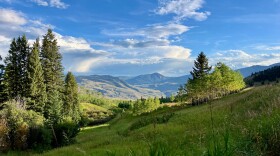 The Trump Administration is fast-tracking logging on more than 100 million acres of Forest Service land. But some locals are pushing back against one of the projects just north of Yellowstone National Park.
 -
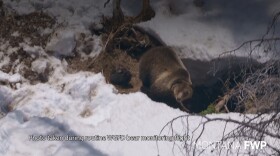 There are now more grizzly bears in more places in and around Yellowstone National Park than at any time in over a century. But until this spring, the population lacked genetic diversity. Montana Public Radio’s Nick Mott reports on how fresh bear genes got into Yellowstone, and what it could mean for the bears' endangered species protections.
 -
 The U.S. Senate has confirmed President Trump’s nominee to lead the country’s largest land management agency. Stevan Pearce has been criticized by public lands advocates for his past support of selling off or transferring ownership of federal lands.
 -
 Public libraries have books, magazines, movies and … fresh air? Missoula Public Library and its satellite campuses have been set up as spaces where people can gather during hot, smoky days and breathe clean air.
 -
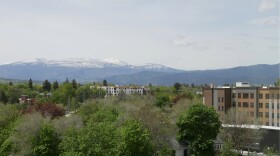 Treeless city streets aren’t just an eyesore, they’re also ovens that trap heat during the day. That’s a problem that’s worsening as the climate changes. A Missoula nonprofit is tackling the problem one sapling at a time.
 -
 Researchers are learning more about pesticides that are leaching into Montana’s waterways. They’re finding that streams and rivers in urban areas might be more impacted than waters near farm fields.
 -
 MTPR visited two Bitterroot Valley classrooms last month where students were learning what it takes to raise rainbow trout and keep fisheries in good health. MTPR’s Austin Amestoy returned to Hamilton as the students released their trout into a local pond.
 -
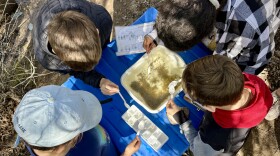 Along the banks of the Clark Fork River, students are identifying all kinds of “macro-invertebrates” — aka, bugs — that live in the river. The data is one clue scientists use to determine the health of a watershed, along with other indicators like appearance and chemical makeup.
 -
 More than six square miles of an aquifer under Montana’s Rocky Mountain Front has been removed from federal protections and slated for wastewater. The change comes despite overwhelming opposition from the local community.

© 2026 MTPR
Play Live Radio
Next Up:
0:00
0:00
Available On Air Stations


