

A working group tasked with reviewing and updating Montana’s Environmental Policy Act is beginning to draft recommendations. The final product will guide the future work of state environmental regulators.
A key component of the group's work involves quantifying greenhouse gas emissions. They’ve suggested using emissions data from the EPA to measure how much a proposed development project would add to statewide emissions.
Greenhouse gas emissions trap heat in the earth’s atmosphere, contributing to climate change.
Some group members suggested putting a dollar figure associated with how much a project could add to greenhouse gas emissions, but the group hasn’t found consensus on that idea.
Another component of the process the group has not come to agreement on is weighing the climate impacts of a proposed project versus the economic benefits.
This task force is considering updates to the bedrock of the state’s environmental regulations as conversations around climate impacts are taking place across government. The Supreme Court is considering an appeal of the youth-led climate case Held v. Montana and utility regulators are deliberating a petition to consider climate change as part of their work.
The working group will present a complete list of recommendations in mid-May.
-
 Plaintiffs in the Lighthiser v. Trump climate lawsuit are asking the Ninth Circuit Court of Appeals to reconsider their case after it was dismissed last month.
 -
 A federal appeals court rejected a suit filed by 22 young Montanans that challenges several executive orders signed by President Trump in early 2025.
 -
 Public libraries have books, magazines, movies and … fresh air? Missoula Public Library and its satellite campuses have been set up as spaces where people can gather during hot, smoky days and breathe clean air.
 -
 Treeless city streets aren’t just an eyesore, they’re also ovens that trap heat during the day. That’s a problem that’s worsening as the climate changes. A Missoula nonprofit is tackling the problem one sapling at a time.
 -
 From the slopes of Whitefish, researchers are using ski resorts to gather valuable data – and seeds, that could help restore forests. In some regions of Montana, over 90 percent of whitebark pines have died.
 -
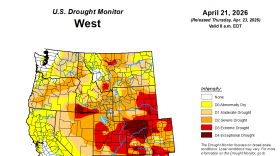 Snowpack in the West typically reaches its peak in early April but that hasn’t happened this year. Drought persists, setting up conditions for wildfires and low water supply. This warm, snowless winter points to a warming climate and trouble for Montana farmers.


