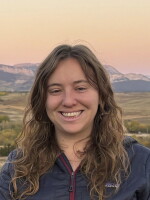
Pollution from mining activity in British Columbia is ending up downstream in Montana and Idaho, threatening the health of these shared waterways. A new film by the Idaho Conservation League highlights Indigenous communities impacted by it and solutions in the works. MTPR’s Caroline Weiss caught up with the director, Jennifer Ekstrom.
Caroline Weiss Tell me a little bit about "Shared Waters" and the issue at the center of it.
Jennifer Ekstrom I have produced a film called "Shared Waters, Ktunaxa and the Coal Mines" to address just that. The issue of five massive mountaintop removal coal mines that are located in the gorgeous Canadian Rocky Mountains just north of Fernie. There's a number of contaminants that are concerning downriver. One of those is selenium pollution. And the United States Geological Survey has done a study that found the selenium signals all the way downriver in the Columbia near the Washington-British Columbia border after the Kootenay River flows into the Columbia. So that pollution takes a long route.
Caroline Weiss What do these contaminants mean for the people and all sorts of life downstream?
Jennifer Ekstrom Selenium has many impacts. It is, at higher concentrations, a concern for human health. The cities of Fernie and Sparwood have both needed to move their drinking water wells because the selenium concentration in the municipal water supply is not safe for people to drink.
And when you move into the impacts on aquatic life, one of the big concerns is that it accumulates up the food chain, so it gets more concerning as bigger creatures eat the littler creatures. So selenium can have really problematic impact on fish reproduction and the larval, the young fish, that they just don't become adult fish. That is one of the big problems when you're talking about cultural resources.
The film Shared Waters is told through the perspective of Indigenous people, through the Kootenai tribe of Idaho's voice, as well as the Confederated Salish and Kootenei tribes, and the larger Ktunaxa nation, which is located both north and south of the U.S.-Canadian border. The Indigenous people that are concerned about this issue, they've relied on these fisheries, they say, since time immemorial.
Caroline Weiss Aside from the mines themselves, the contamination in this case is largely invisible to the naked eye, right? So what was it like to tell that story on film?
Jennifer Ekstrom Well, it was really a wonderful journey throughout the watershed. It's a beautiful landscape. And I mean, the mines are devastating. I wasn't allowed to film at the mines, but I did go on a tour. It's hard to wrap your mind around it until you go see those mines. So there's definitely a visual impact, even though the pollution, the selenium pollution in particular, you can't see it.
But throughout the journey of making the film, I'm so incredibly honored to have been able to talk with the leaders. Being invited into their spaces and being entrusted to help compile their story is pretty amazing. And I don't think you need to see the pollution to see in their faces and hear in their voices how much this issue matters to them.
Caroline Weiss Like we've been talking about, this is a pretty complicated situation with a lot of science and a lot of stakeholders. It can be kind of a challenge to wrap your mind around. What are some key points you'd like people to take away?
Jennifer Ekstrom After years of advocacy from the leadership of the Ktunaxa Nation, the Boundary Waters Treaty was activated to come up with solutions for this international transboundary water pollution dispute. And right now, they are working very hard to assess all of the science that's ever been done in the watershed and to identify exactly what is the problem and what needs to be done to fix the problem. The study board is under the Boundary Waters Treaty International Joint Commission process. The study is going to be asking for feedback on their report. There's going to be a public comment period, the first half of October, and then the final report is scheduled to come out at the end of December.
Caroline Weiss As you just mentioned, this is kind of a pivotal moment. Stories about contamination can often be kind of doom and gloom. With the International Joint Commission's upcoming recommendations, do you feel hopeful about finding solutions?
Jennifer Ekstrom I do. I feel hopeful and I feel helpful because the Indigenous leaders that I've been talking with feel hopeful. They've expressed that they think that there can be better outcomes than what we have now and there's a lot of room for improvement.
Caroline Weiss Thank you so much, I really appreciate it.
Jennifer Ekstrom Thank you, it's great to be here with you.
That was MTPR’s Caroline Weiss speaking with director Jennifer Ekstrom. The Idaho Conservation League is looking for more venues to host public screenings of Shared Waters. For more information visit sharedwatersfilm.org.