

Field Notes
Wed. at 3:53 p.m., Sat. at 11:53 a.m.
Nature notes and inquiry from the Montana Natural History Center.
-
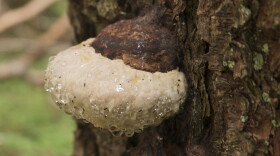 I started thinking about guttation on a hike at the end of summer. It was a humid day; it had rained almost nonstop the previous week and there was even more in the forecast.
 -

-
 I drive the dirt roads that stretch for miles across the grasslands. I drive slowly as the roads are rutted and rough and cross open cattle range. I often spot pronghorn running in the distance.
 -
 That first night, I tried to remember all I had learned but the details were lost. What I do remember is the gnarled, gray twisted bark of the whitebark pine: a representation of strife, turmoil, and persistence.
 -
 Squoosh. Squoosh. My feet, encased in calf-high rubber boots, sank into the thick sphagnum moss, and water crept up to my ankles. I pulled one foot free with a loud squelch, lunged towards the nearest hummock, then rescued my other foot.
 -
 It was an unseasonably warm first week of January. One late afternoon, as golden sunlight hid behind grey stratocumulus clouds hanging over the Clark Fork River, I came upon a Great Blue Heron.
 -
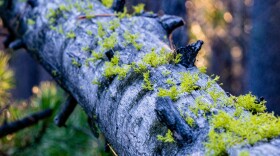 I can’t stop staring at them. Their beauty seems otherworldly; they’re radiantly fluorescent against the snow. It’s almost scandalous, that neon green, that buzzing orange.
 -
 At twilight, from my house in the sage, I hear the underdogs singing outto each other. Sometimes, I swear, it almost sounds like laughter.
 -
 The first oceans I explored as a child were those of eastern Montana. I spent nearly three decades of my life in ancient oceans before I ever got my feet wet in a modern living ocean.
 -
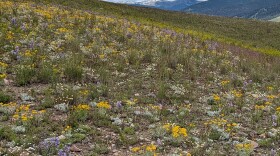 Missoula phlox, or Phlox missoulensis; A species named after a town named after a beloved waterway the Salish call nmesuletkʷ, roughly translated to “cold water.”
 -
 I have chosen Montana as my home and embrace her seasonal night sounds, from silent snowfall on a barn roof to owls, nighthawks, and everything in between. The Montana night is calling and I must go.
 -
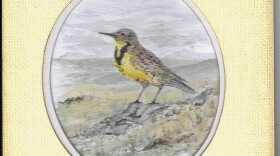 Sometimes the ordinary would be broken when my mother pointed out the window and exclaimed, "Oh, look. A meadowlark!" She believed that seeing a meadowlark was a gift.


-
 It is February and still these branches are dressed in a flutter of leaves. Golden brown with a dark midrib and branching pinnate veins.
 -
 The first archaeological evidence we have that points to organized observances of the winter solstice come from the Neolithic period—that era from about 12,000 to 6,500 years ago which hastened the Stone Age into those of Copper and Bronze
 -
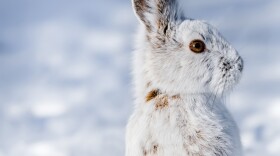 Seasonal camouflage and the consequences of transitioning color phase too early
 -
 Near Čmʔomʔotúlexʷ (Place of Smokey Land) or Yellowstone National Park, in -5-degree weather, I kneeled on my freshly skinned bison hide, which provided steaming warmth beneath me.
 -
 I like to talk to the crows, though I don’t know what we’re talking about. Researching the subject, I learned that they have over 250 different calls.
 -
 Summer brings more than blue skies and hot days to Montana. It’s during this time of the year that white-tailed deer fawns are born.
 -
 It was too soon for swirls of cascading autumn leaves, and the formation of this sudden dispatch had a certain energy to it. This orange blast of color moved with purpose.
 -

-
 There is a pine needle on my kitchen table. There is a pine needle in my soul. If I could only put that on paper.
 -
 As the days grow shorter and nights turn cooler, I find myself drawn outdoors at sunset.


