

The federal government is expected to decide later this month whether to remove federal protections from some grizzly bear populations. The decision comes after years of legal debate about Endangered Species Act protections for the bears.
A U.S. Representative from Wyoming last week pushed the federal Fish and Wildlife Service about their timeline for making a delisting decision.
Representative Harriet Hageman argued the agency was taking too long and asked deputy director Stephen Guertin for an update.
“When are you going to finish it?” said Hageman.
“We are planning to publish a 12-month finding by the end of this month, Congresswoman,” said Guertin
Montana, Wyoming and Idaho have all petitioned to varying degrees to end federal protections for grizzlies. The states argue bear populations have met recovery goals and are ready for delisting. The federal government is considering requests to delist bears in the Northern Continental Divide and Greater Yellowstone Ecosystems.
The three states have signed an interstate grizzly management plan to manage the bruins moving forward should they be delisted.
Two previous attempts to delist bears in and around Yellowstone have been blocked in court.


-
 Northwest Montana has a below-average huckleberry crop this year. That means bears are now looking for alternative food sources and getting into trouble as a result.
 -
 Secretary of the Interior Doug Burgum announced a proposal Tuesday to return the federal management of grizzly bears to state governments. While details of the new rule are unclear, environmental groups are preparing for changes.
 -
 Heavily trafficked roads act just like a giant wall, blocking wildlife from safely moving across. Highways can cause fatal collisions for people and animals, and present conservation challenges as well.That’s a problem when you’re trying to get separate populations of grizzly bears to connect. Now, new research is identifying high-traffic roads that can make it impossible for bears to cross.
 -
 Eight-hundred acres of western Montana habitat is now protected from future development. A new conservation easement helps anchor a safe passage for wildlife to move between valleys.
 -
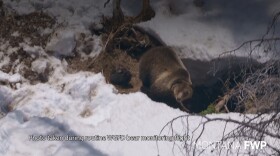 There are now more grizzly bears in more places in and around Yellowstone National Park than at any time in over a century. But until this spring, the population lacked genetic diversity. Montana Public Radio’s Nick Mott reports on how fresh bear genes got into Yellowstone, and what it could mean for the bears' endangered species protections.


